How To Create A Homeschool Unit Study
A Step-By-Step Guide For Parents Who Are Looking To Make Their Own Unit Studies
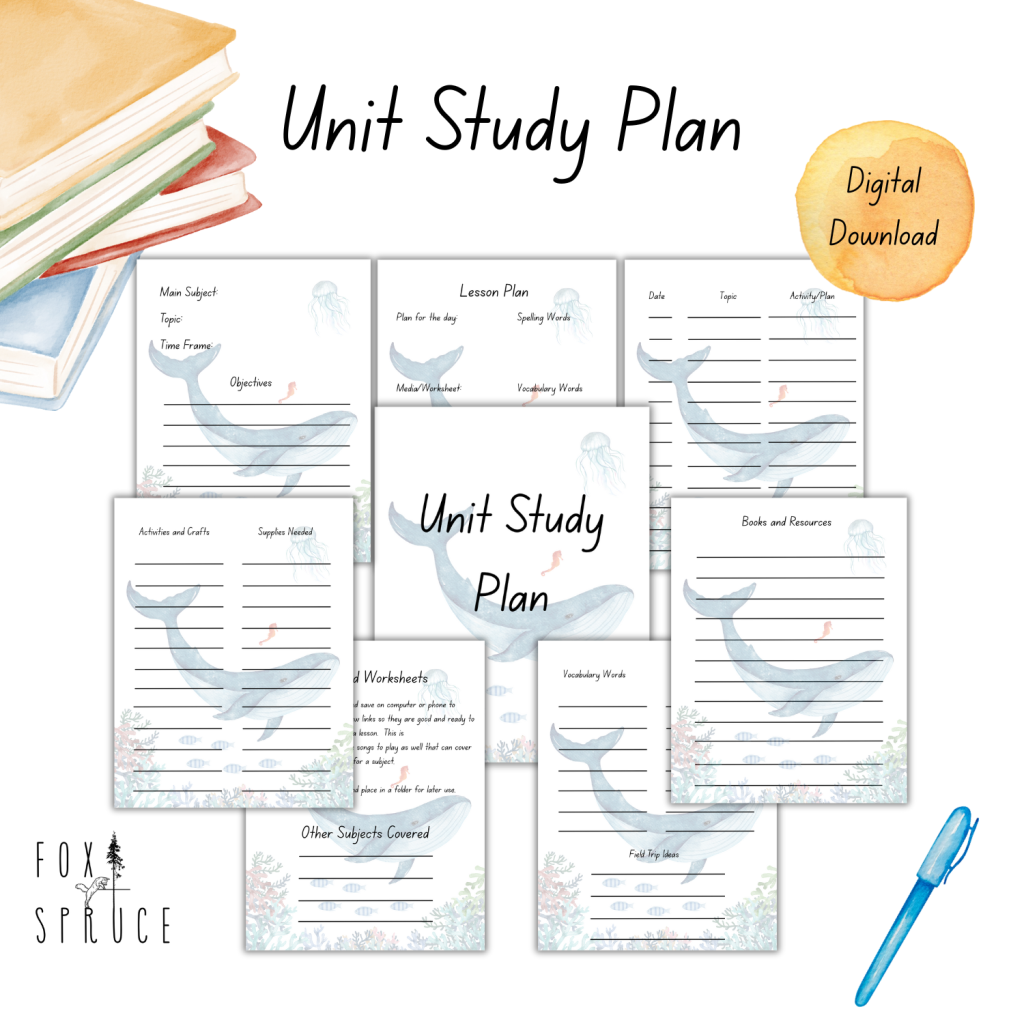
One of the best parts of homeschooling is the flexibility to build a learning plan around your child’s interests. Developing a love for learning is what I believe to be one of the most important things in building a solid plan for a child’s education. Kids flourish when they can dive in deeper to learning about something they love. In this post, I’ll show you how to design a unit study. This particular example study unit today will be based on a bug study for early elementary kids. The key subject will be science but I’ll sprinkle in some other subjects as well to make it well rounded. You will not need to use a unit study planner but I do have one linked below if you would like one. For this step by step, I will be using this planner but you can use a notebook or paper instead if you’d like!
Step 1: Choose Your Subject (or multiple), Topic and Time Frame
The beautiful thing about creating your own unit study is that YOU get to choose what you do! What subject do you need to cover? Science? Social Studies? Health? Start with the subject and then decide the topic that you want to cover. Once you have your topic down, how long do you want the study to be? Lets say you choose 4 weeks. Do you want to teach every day or keep it to 2-3 days a week? Keep it realistic to what you think you can accomplish but give yourself some grace if you end up needing to extend your time frame out a bit.
Step2 : Objectives
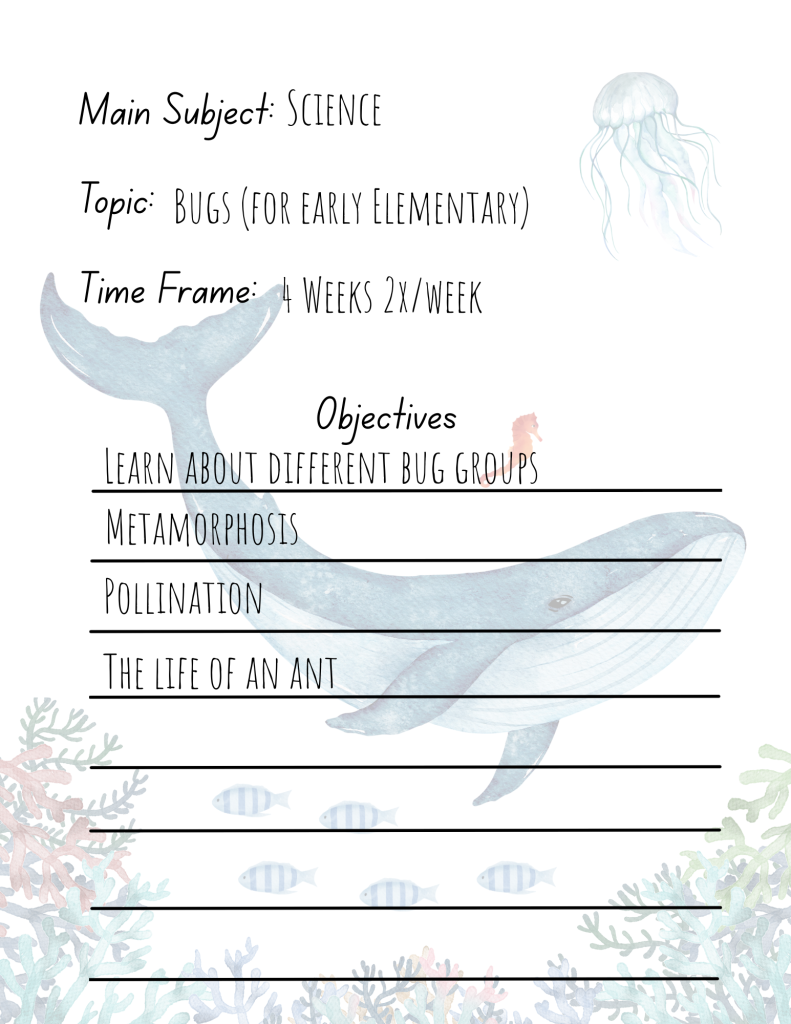
Write down what you want your kids to know by the end of the unit. If that seems overwhelming, choose a few key objectives that you will make as a main focus. What are the biggest take aways you want your child to have after the unit? It’s ok to later include other things and not have them be an objective. My example listed a few but you’ll notice later in the day by day part of the study it shows topics I did not include in the objectives.
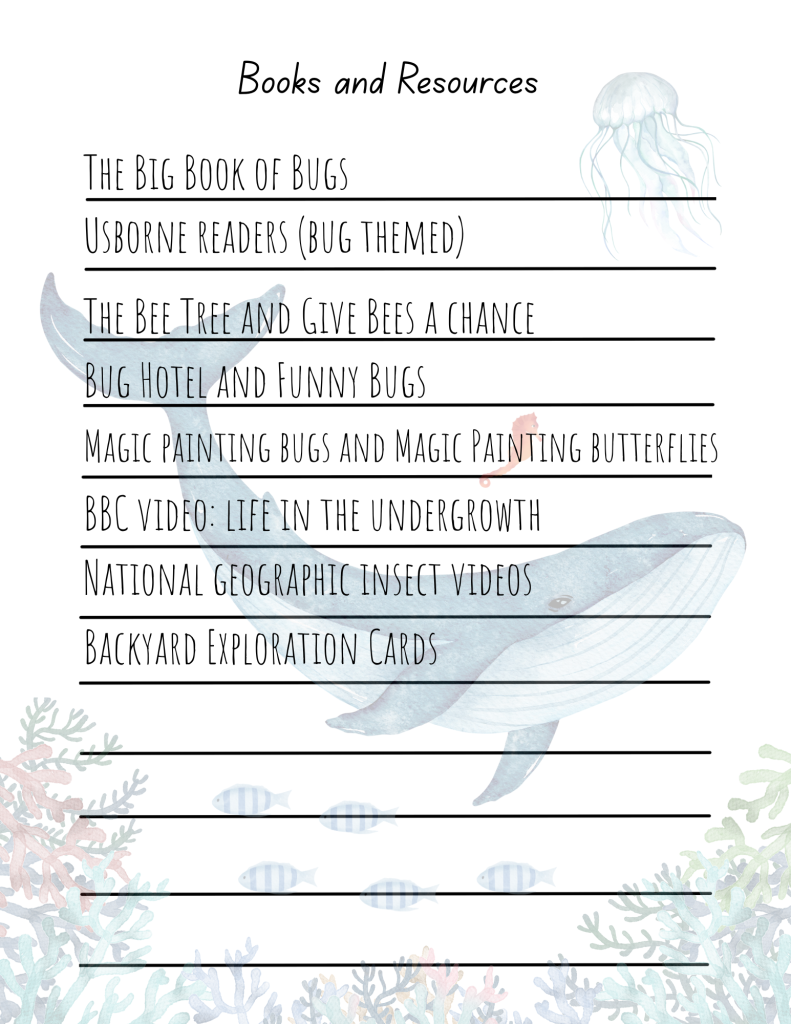
Step 3: Add Resources And Books
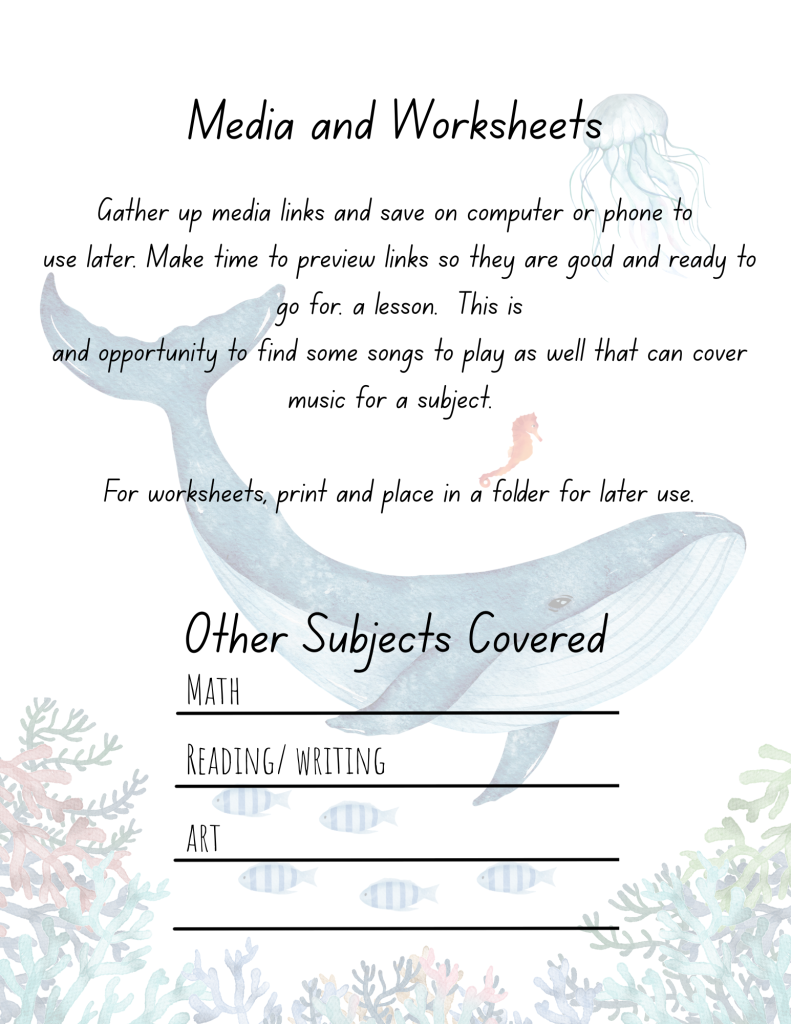
This is the fun part where you get to explore different resources that you would like to add to your unit. These will be the keys focuses that you will use to teach the unit. You can check out books from the library, find links online, or find homeschool printable resources that focus on the subject. You can find books lists online for almost any subject through a quick google search to help you with picking out with books you would like to use, if any. Plus, it’s a bonus if you find them at the library! I made a list of our favorite Bug books here! There are plenty of documentaries and small informative lessons on YouTube now as well. Other resources to add are field guides, science encyclopedias, and science kits or a local experience.
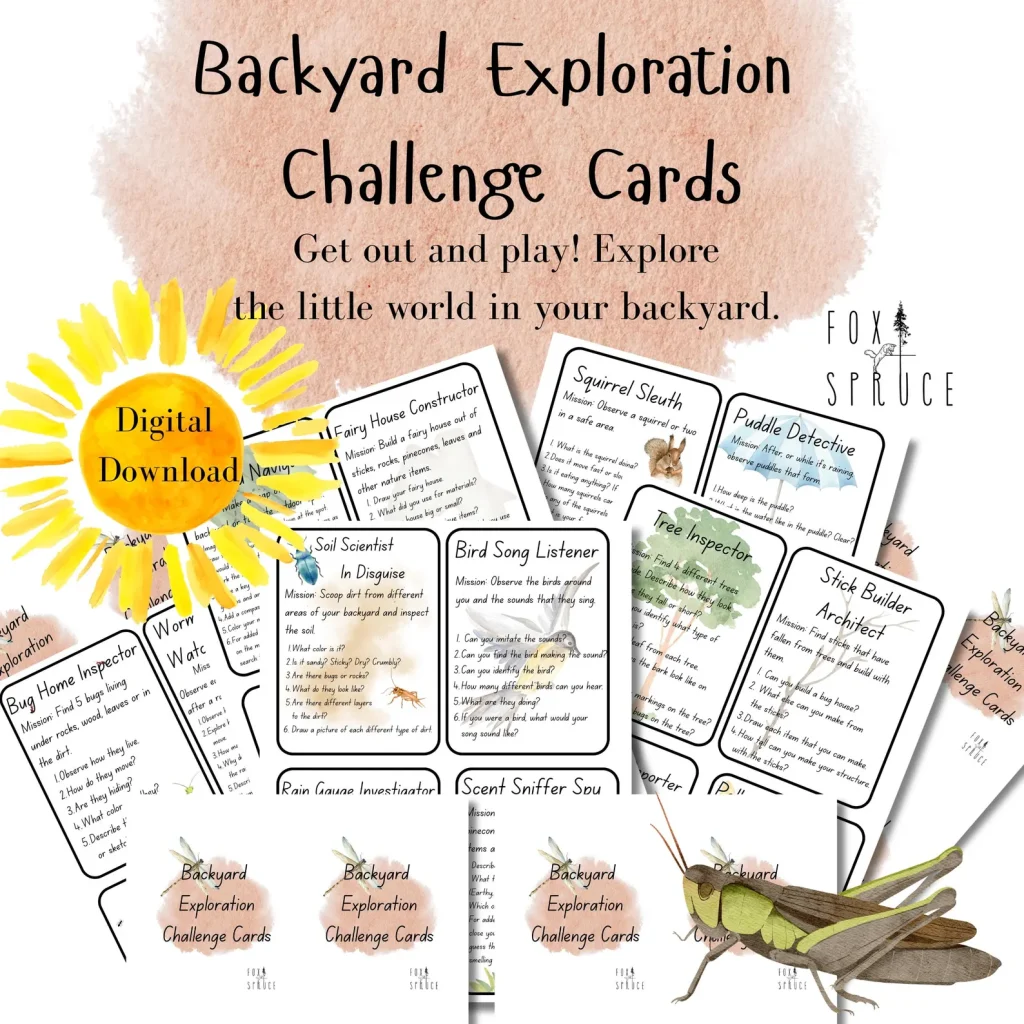
Side Note: These are available here! Click the images to check them out.
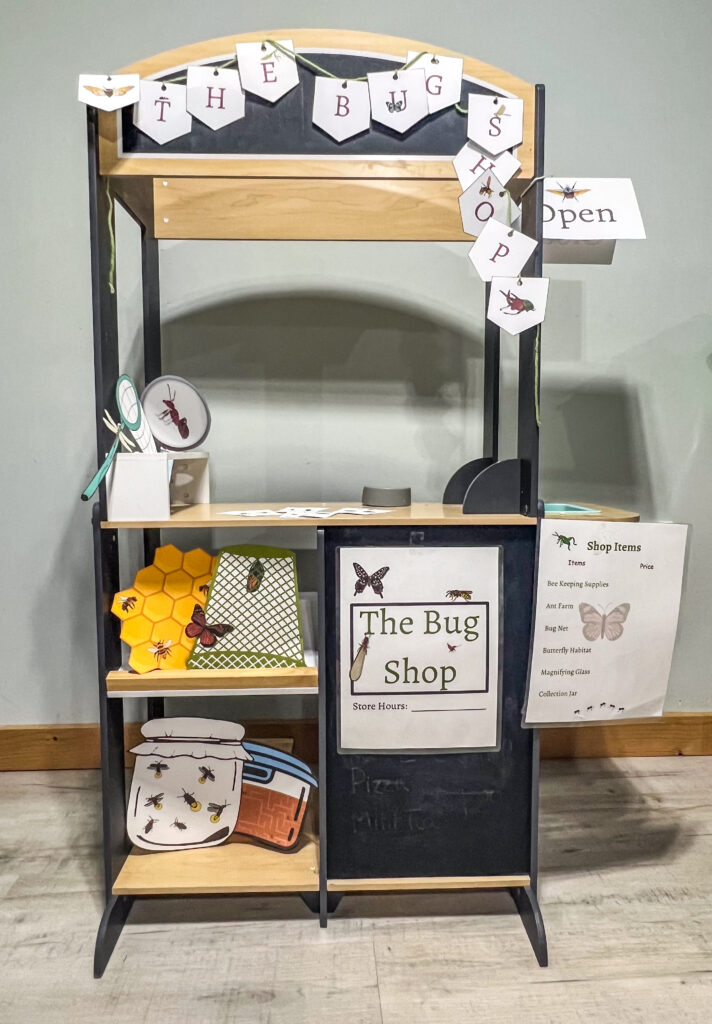
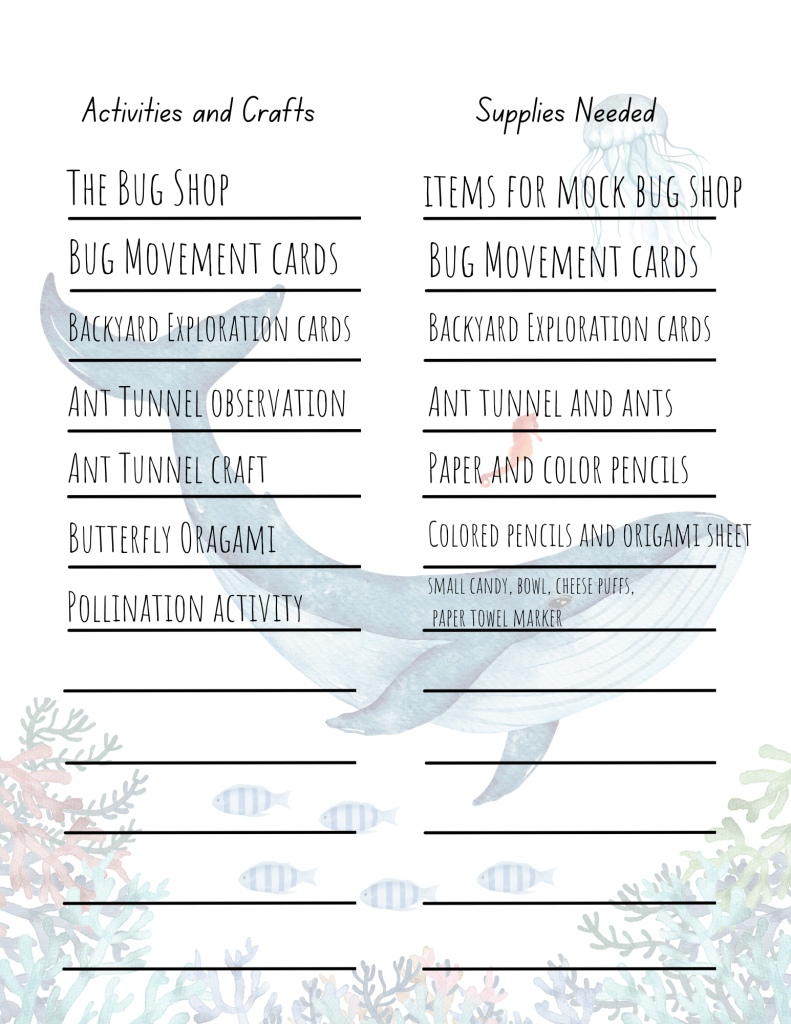
Step 4: Add in the fun!
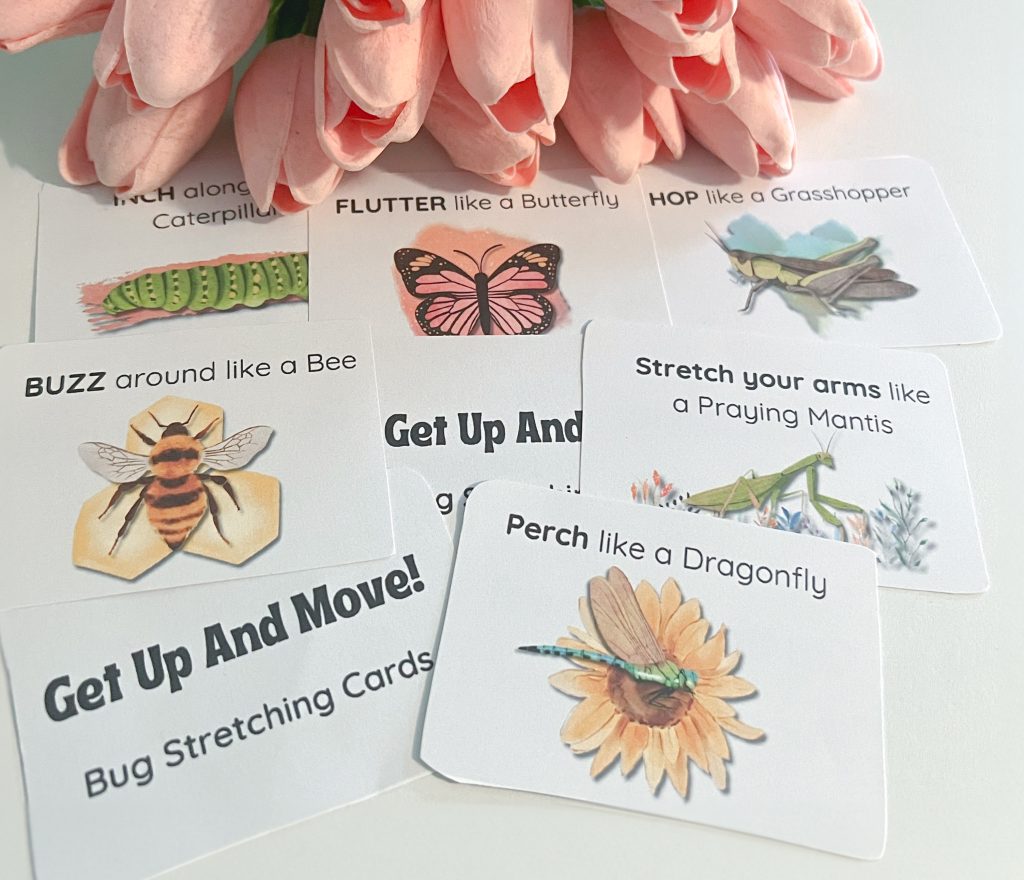
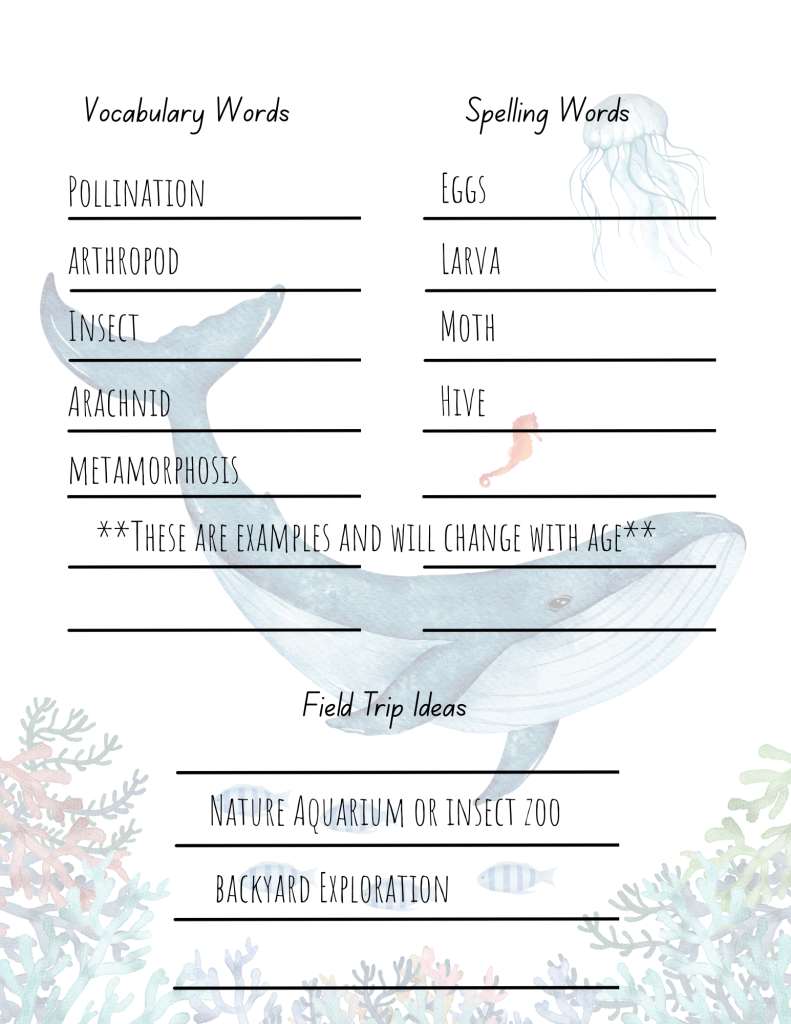
This is where you get to look for activities and crafts. Often times, these will also fill the need of another subject like art or physical education. Having children reading books on the subject, helps fulfill the subject of reading. Staying on the example of bugs, making a spider web would fulfill stem and art. Add a little music to your lesson and you are giving them a touch of music class! Have fun with this and keep a good balance of activities and crafts. This will also include any field trips you would like to take. You can also include target spelling words or vocabulary if you are looking for a more robust unit plan.
Click on the image below to check out the activity “Bug Movement Cards” listed above!
Step 5: Write Out The Daily Lesson Plans
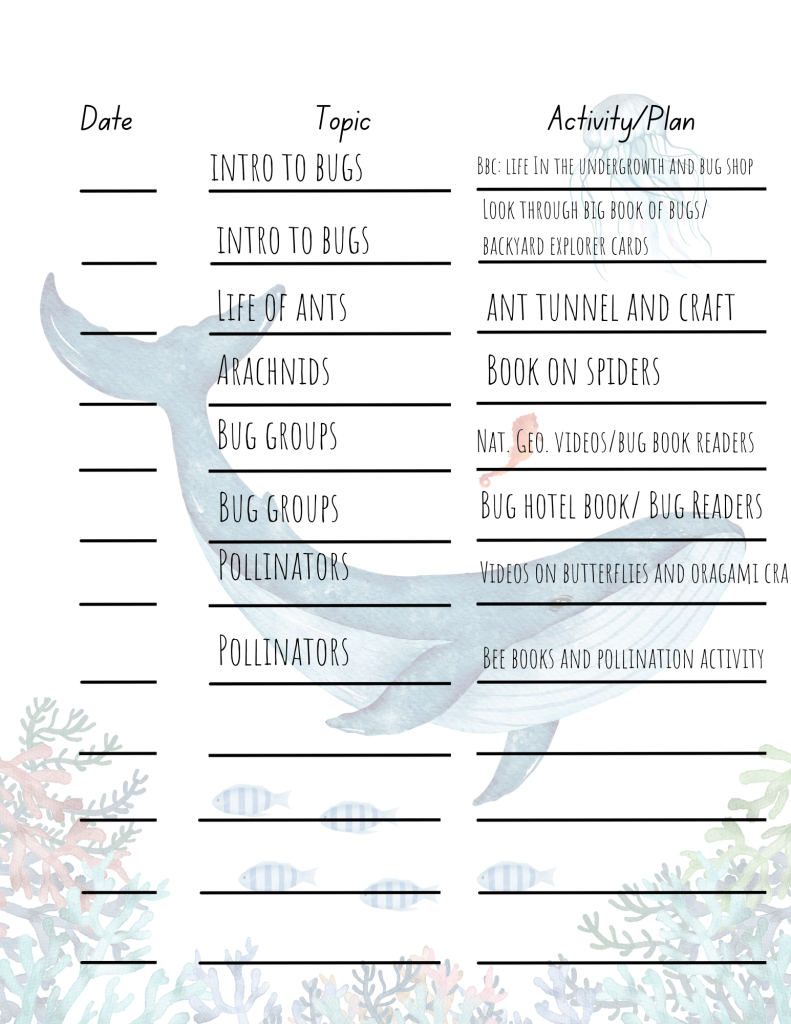
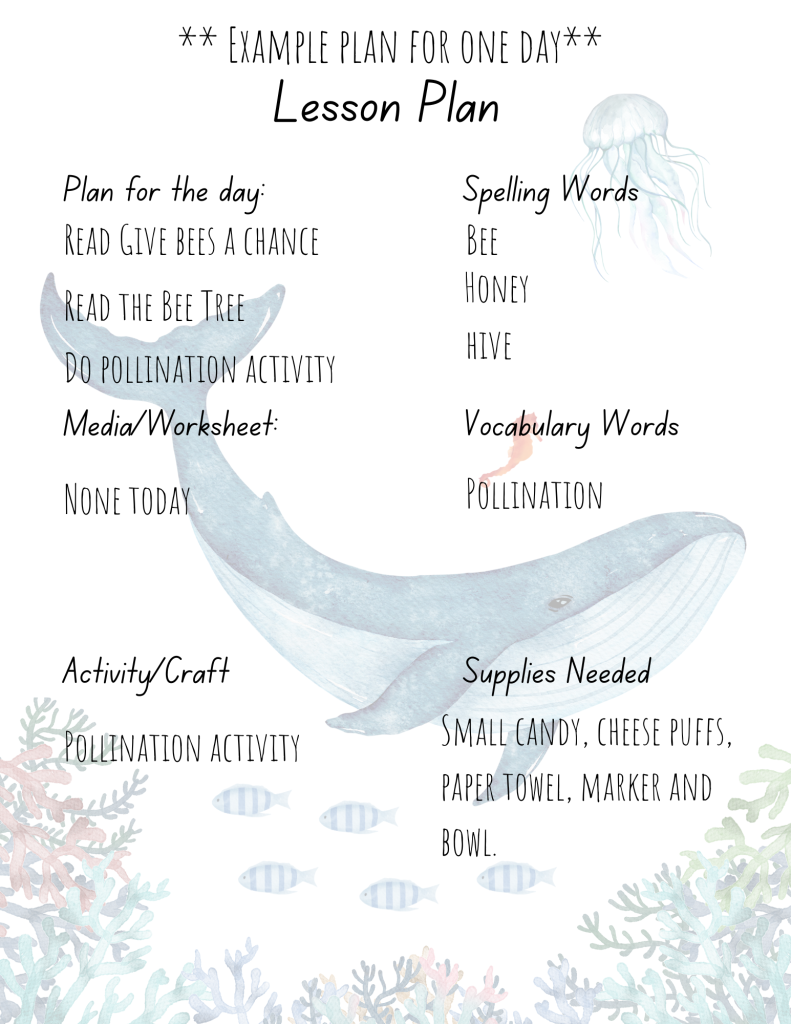
Write out your day by day plan and collect all links and worksheets that you will need for each day. This will help the day run smoother when you have a plan! Keep in mind your lesson may not go exactly as planned if you have one though, ha. For us, we tend to go on rabbit trails or deep dive into a subject and spend a little more time on one thing before moving on. That’s just one of the bonuses of homeschooling and choosing what you spend your time on. Have fun with it and plan accordingly to how much time your little one can spend on a subject. Optional: For higher grades, add in a final project that they must complete for the end of the unit!
If you are looking for more ways to add a little fun into your homeschool day, check out the blog post on creative play! You can find it below: